Winter in New England calls for a good, homemade stock simmering away on the stove. Learning how to make rich nourishing stock at home, whether you’re using up the bones from last night’s roast chicken or making a deep, mineral-rich beef bone broth, is essential.
Homemade stock is a staple in any homesteader’s kitchen. Not only does it add depth to soups and stews, but it’s packed with health benefits – especially during flu season when you need all the immune support you can get.
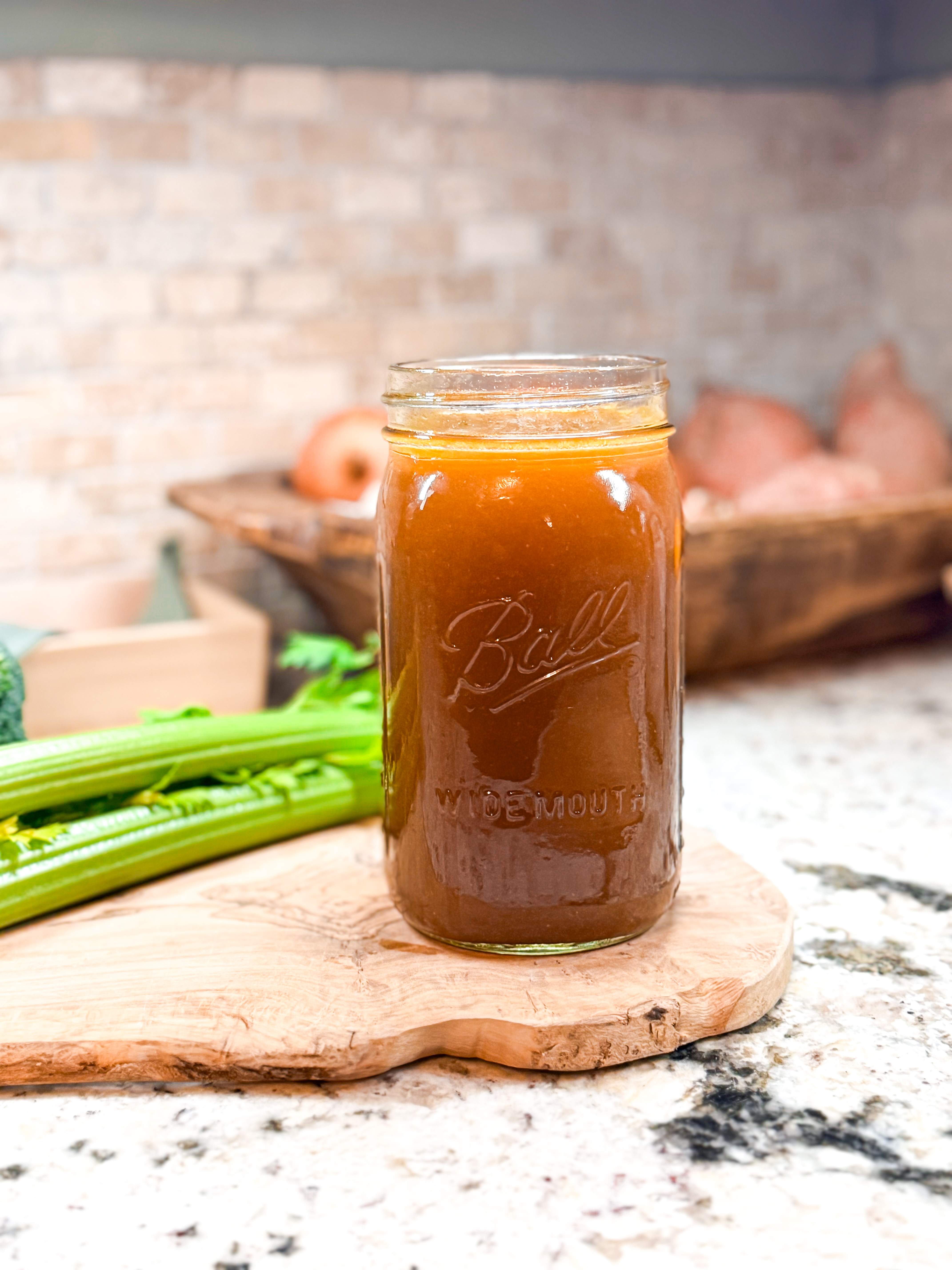
Homemade Chicken Stock: A New England Classic
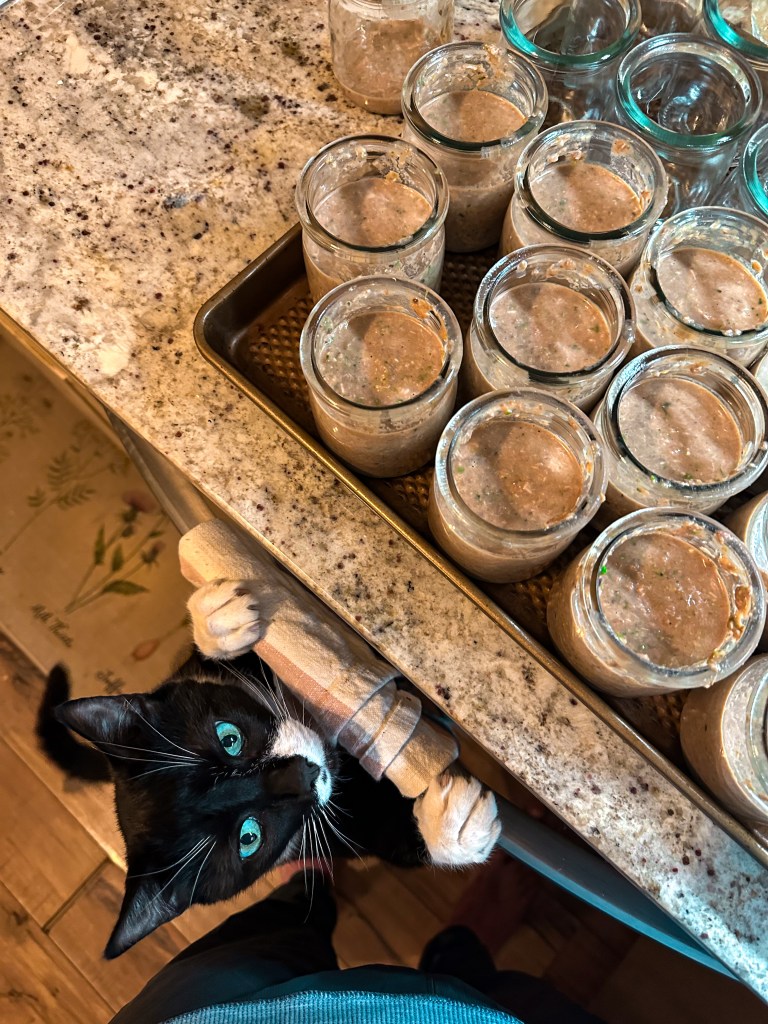
I made my most recent batch of chicken stock using the bones from a roasted chicken we had for dinner. Because of the marinade, the stock came out darker than usual but also incredibly flavorful. If you’re starting from scratch, here’s a tried-and-true method:
What You’ll Need:
- Chicken bones (leftover from a roast or raw bones from a butcher)
- 1 large onion, quartered
- 2-3 carrots, chopped
- 2 celery stalks, chopped
- 3-4 garlic cloves, smashed
- Fresh herbs (thyme, parsley, rosemary – whatever you have on hand)
- 1 bay leaf
- 1 tbsp apple cider vinegar (helps extract minerals from the bones)
- 10-12 cups cold water
How to Make It:
- Roast the Bones (Optional, but Recommended) – If you’re using raw bones, roast them at 400°F for about 30 minutes to deepen the flavor.
- Fill Your Pot – Add all ingredients to a large stockpot or slow cooker. Cover with water.
- Simmer Low and Slow – Bring to a gentle boil, then reduce to the lowest simmer. Let it go for at least 4-6 hours (or up to 24 hours for an extra rich stock). Skim off any foam that rises to the top.
- Strain and Store – Once done, strain out the solids and store your broth in jars or freezer-safe containers. It keeps in the fridge for up to 5 days or frozen for months.
Making Other Stocks: Pork & Beef Bone Broth
If you’re looking to mix things up, pork and beef stocks are excellent additions to your kitchen:
- Beef Bone Broth: Use marrow bones, knuckles, or oxtail. Roast them first at 450°F for about 45 minutes, then simmer for 12-24 hours. The long cook time extracts collagen, making it extra nourishing.
- Pork Stock: Pork bones (especially neck bones or trotters) create a rich, slightly sweet broth. Roast them first, then simmer with your aromatics for 6-8 hours. Perfect for ramen or bean soups.
Want to know more about cooking with alternative fats? Read our guide on How to Use Bacon Fat in the Kitchen.
Why Broth is a Must for Flu Season
There’s a reason homemade broth has been a remedy for generations. It’s packed with minerals, collagen, and amino acids that help:
- Boost Immunity – The gelatin and nutrients support your gut, which plays a huge role in immune function. (National Institutes of Health)
- Soothe Sore Throats – Warm, nutrient-rich broth is easy to digest and hydrating. (Harvard Health)
- Support Joint Health – Collagen-rich broths help keep joints healthy, especially in the cold months. (Cleveland Clinic)
How to Use Your Homemade Stock
Once you’ve got a good homemade stock, the options are endless:
- Soup Base: Use it in classic chicken soup, beef stew, or chowders.
- Cooking Grains: Cook rice, quinoa, or farro in broth instead of water for added depth.
- Gravy & Sauces: Use as a base for gravies or pan sauces.
- Sipping Broth: Warm up a mug with a little sea salt for a simple, nourishing drink.
- Braising Meat & Vegetables: Adds moisture and richness to slow-cooked dishes.
- Deglazing Pans: Use it to scrape up browned bits when making pan sauces.
- Homemade Ramen or Pho: A perfect base for rich, flavorful noodle soups.
- Making Baby Food: A gentle, nutritious liquid for pureeing vegetables.
- Dog Treats & Pet Food: A great way to add nutrients to your pet’s diet (just skip the onions and garlic!).
Making stock is a simple, old-fashioned way to stretch your food, reduce waste, and boost nutrition. If you haven’t tried making your own yet, winter is the perfect time to start. Let a pot simmer on the back burner, filling the house with warmth and that unmistakable homemade aroma.






 Fiddlehead Homestead
Leave a comment