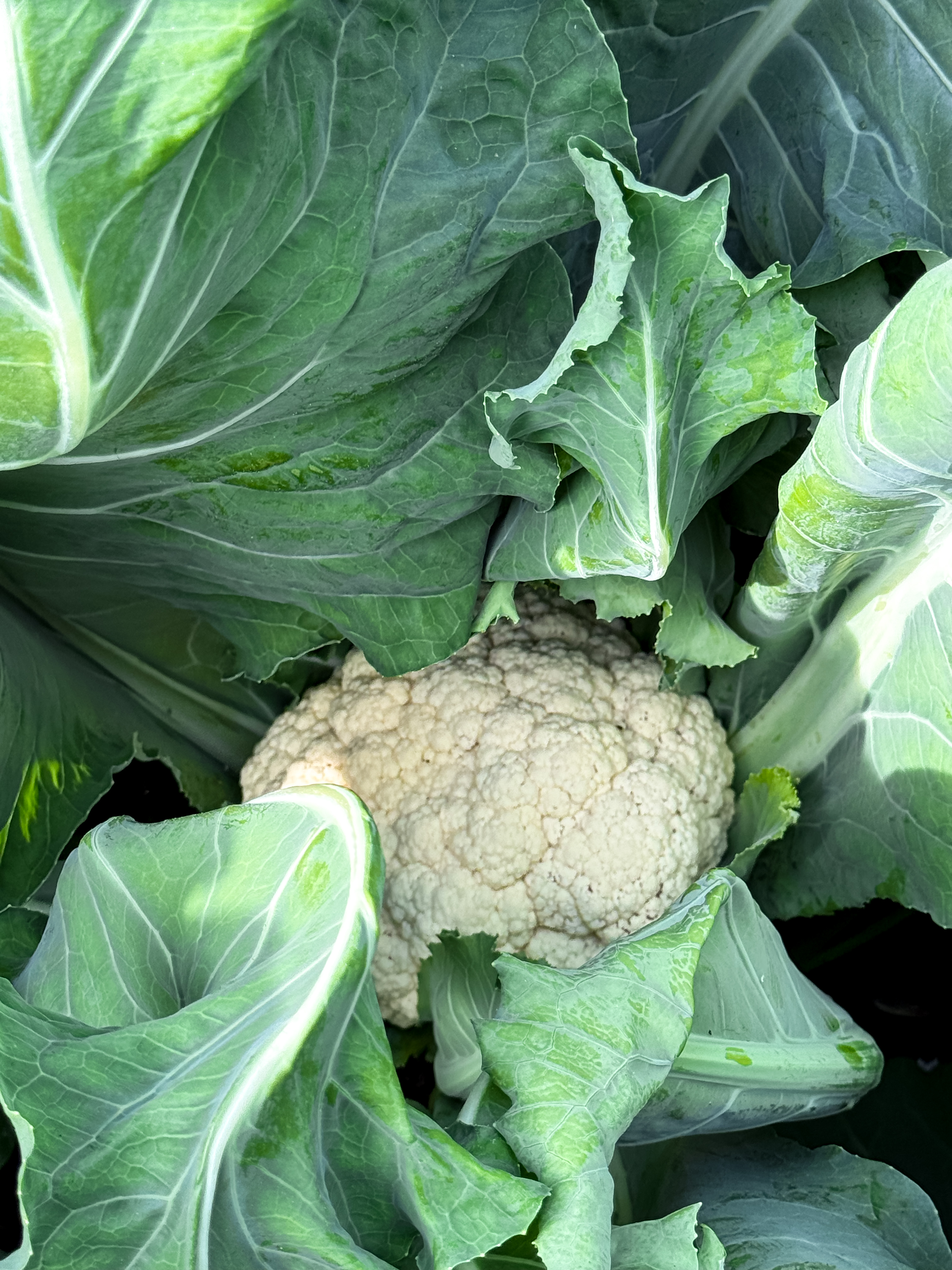
Cauliflower is a cool-season crop that rewards careful attention with tightly formed, flavorful heads. While it can be temperamental, success lies in timing, soil preparation, and steady care. This guide outlines how to grow cauliflower efficiently, from seed starting through to harvest.
When to Plant Cauliflower
Cauliflower grows best in temperatures between 60 and 65°F. For a spring harvest, start seeds indoors 4 to 6 weeks before your last expected frost. For a fall harvest, start seeds in midsummer, 10 to 12 weeks before the first fall frost date.
Use a resource like the Old Farmer’s Almanac frost date calculator to determine the right schedule for your region.
Starting Seeds Indoors
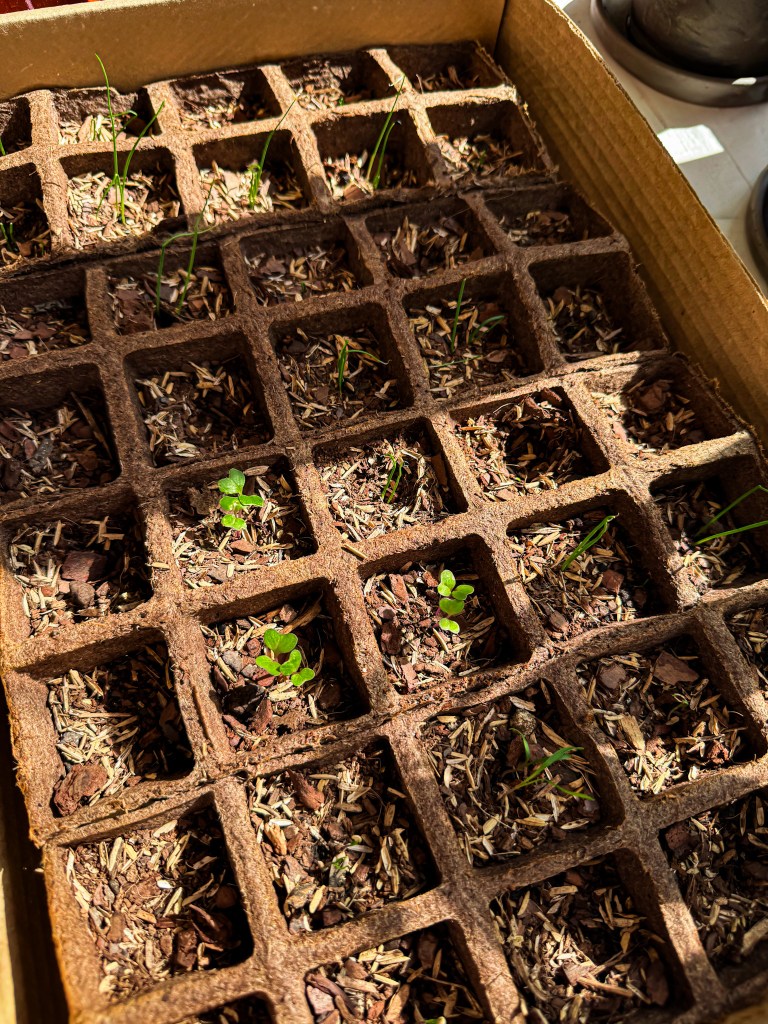
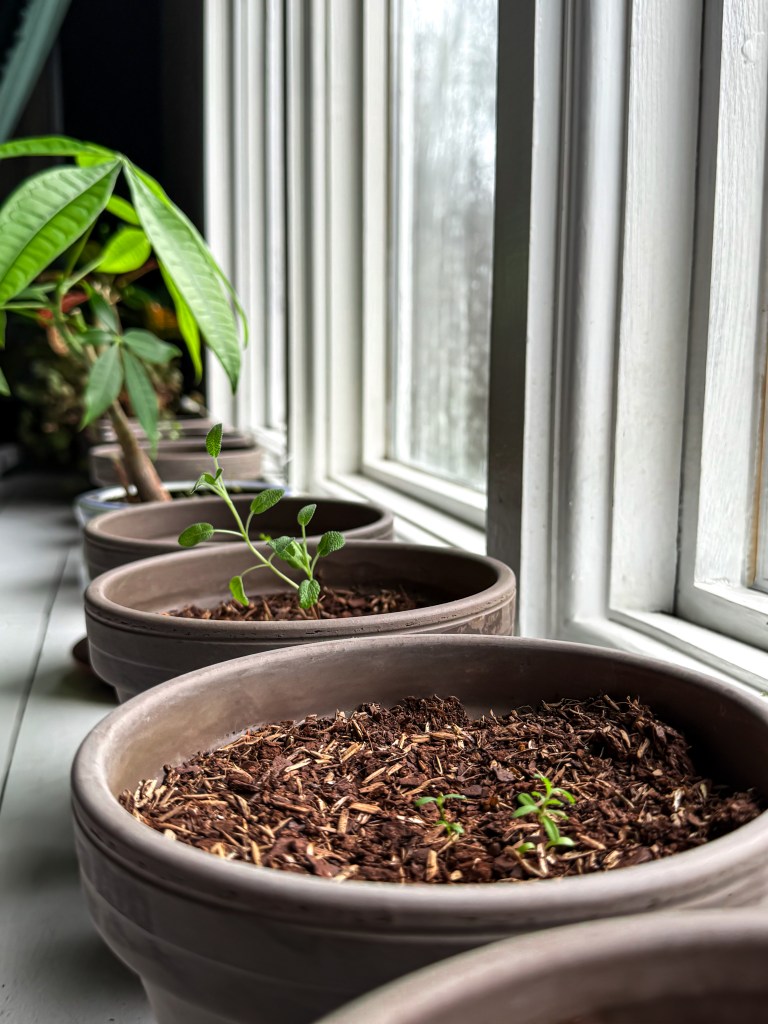
Sow seeds ¼ inch deep in a sterile seed-starting mix. Keep trays in a location with bright light and temperatures between 65 and 70°F. Cauliflower requires even conditions to prevent weak growth or transplant shock.
Once seedlings develop 2-3 sets of true leaves and outdoor conditions are favorable, begin the hardening-off process by gradually exposing them to sunlight and outdoor air over the course of a week.
Transplanting into the Garden
Transplant seedlings into nutrient-rich, well-drained soil. Cauliflower performs best in beds amended with compost or well-rotted manure.
- Spacing: 18 to 24 inches between plants, with 2 to 3 feet between rows
- Sunlight: Full sun (minimum 6 hours per day)
- Soil pH: Ideally 6.5 to 7.0
Use a balanced organic fertilizer at planting and ensure the soil remains consistently moist throughout the season.
Growing Requirements
Cauliflower does not tolerate drought, heat stress, or inconsistent nutrients. Here are the essentials:
- Moisture: Keep soil evenly moist; water deeply once or twice a week depending on rainfall
- Mulch: Apply 2–3 inches of straw or leaf mulch to retain soil moisture and suppress weeds
- Fertilization: Supplement with an organic nitrogen source if growth slows
- Pest management: Inspect regularly for cabbage loopers, aphids, and flea beetles. Row cover is effective early in the season
Blanching (When Necessary)
White varieties often require blanching to preserve color and tenderness. When the head reaches 2 to 3 inches in diameter, gently fold the outer leaves over the developing curd and secure with twine or a soft clip.
Note: Some varieties, labeled self-blanching, do not require this step.
When and How to Harvest
Cauliflower heads are ready when they are full, firm, and compact, typically 6 to 8 inches across. This usually occurs 70 to 100 days from transplanting, depending on variety and conditions.
To harvest, cut the stem with a sharp knife several inches below the head, leaving a few outer leaves intact to protect it. Overripe heads become soft or begin to separate, so monitor closely as they reach maturity.
Companion Planting and Organic Support
Growing cauliflower alongside dill, yarrow, or calendula can help attract beneficial insects. For organic pest control and garden wellness, Mountain Rose Herbs offers a range of high-quality botanicals and garden-support products.
Looking for Fresh, Local Cauliflower?
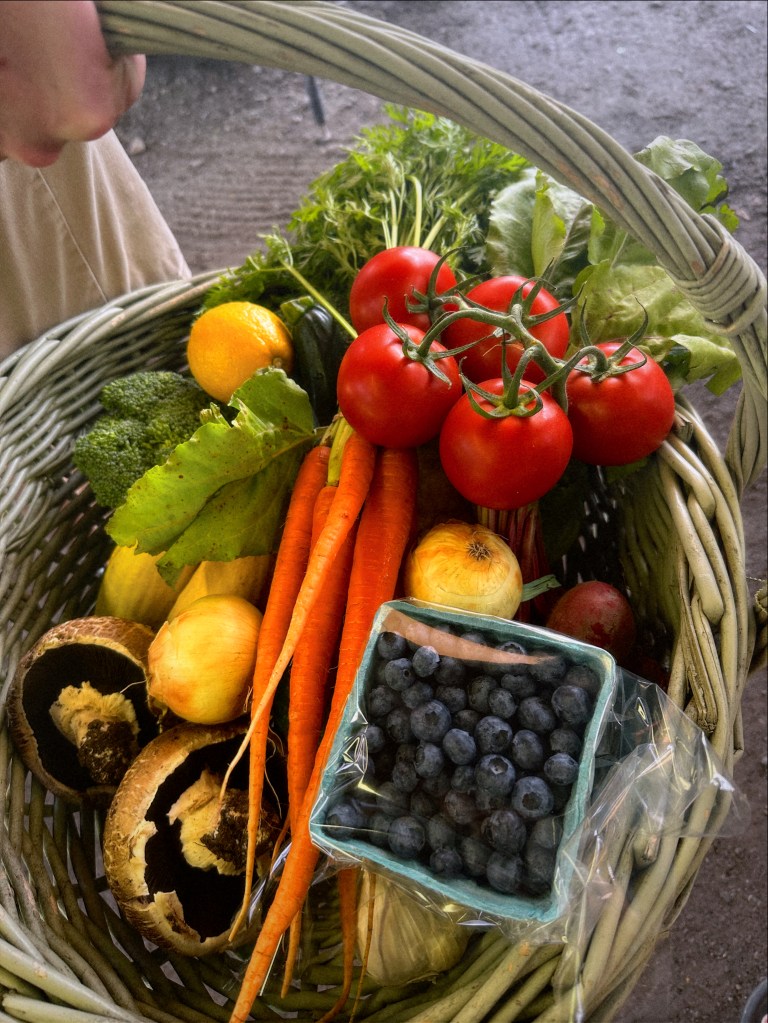
If you’re not growing your own this season, or just want to supplement your harvest, buying from a local farm is the next best option. Supporting nearby growers helps strengthen your food system, keeps dollars in your community, and ensures you’re eating the freshest possible produce.
Not sure where to start? Read our guide on how to find a farm near you and support local agriculture.


 Fiddlehead Homestead
Leave a comment