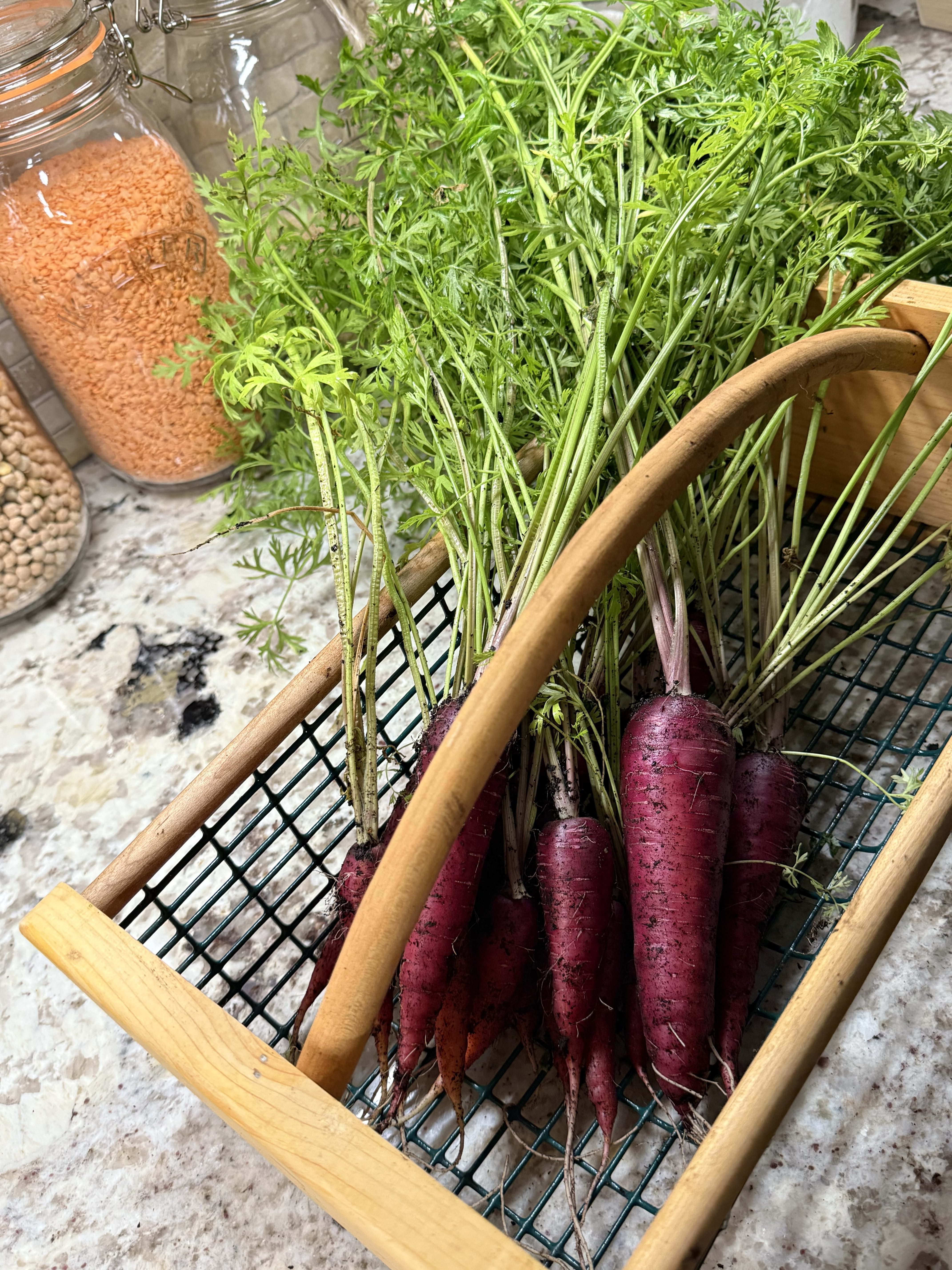
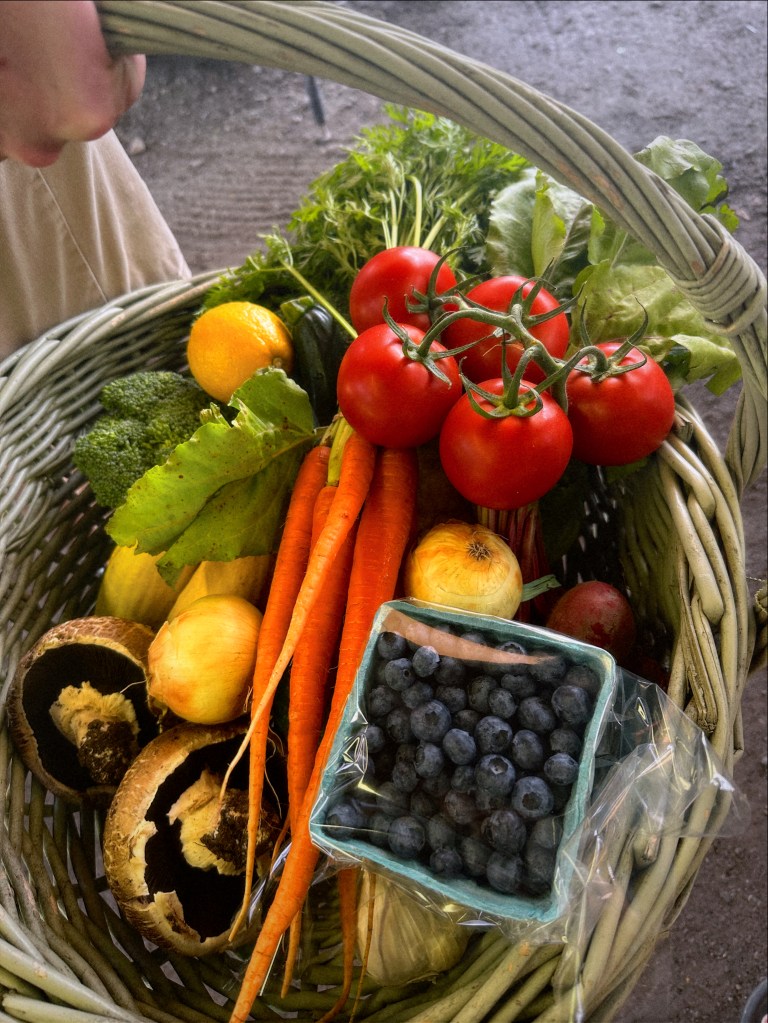
This year we planted two rows of carrots in one of our raised beds. The harvest wasn’t huge, but it was enough for a handful of meals, and it was worth the space.
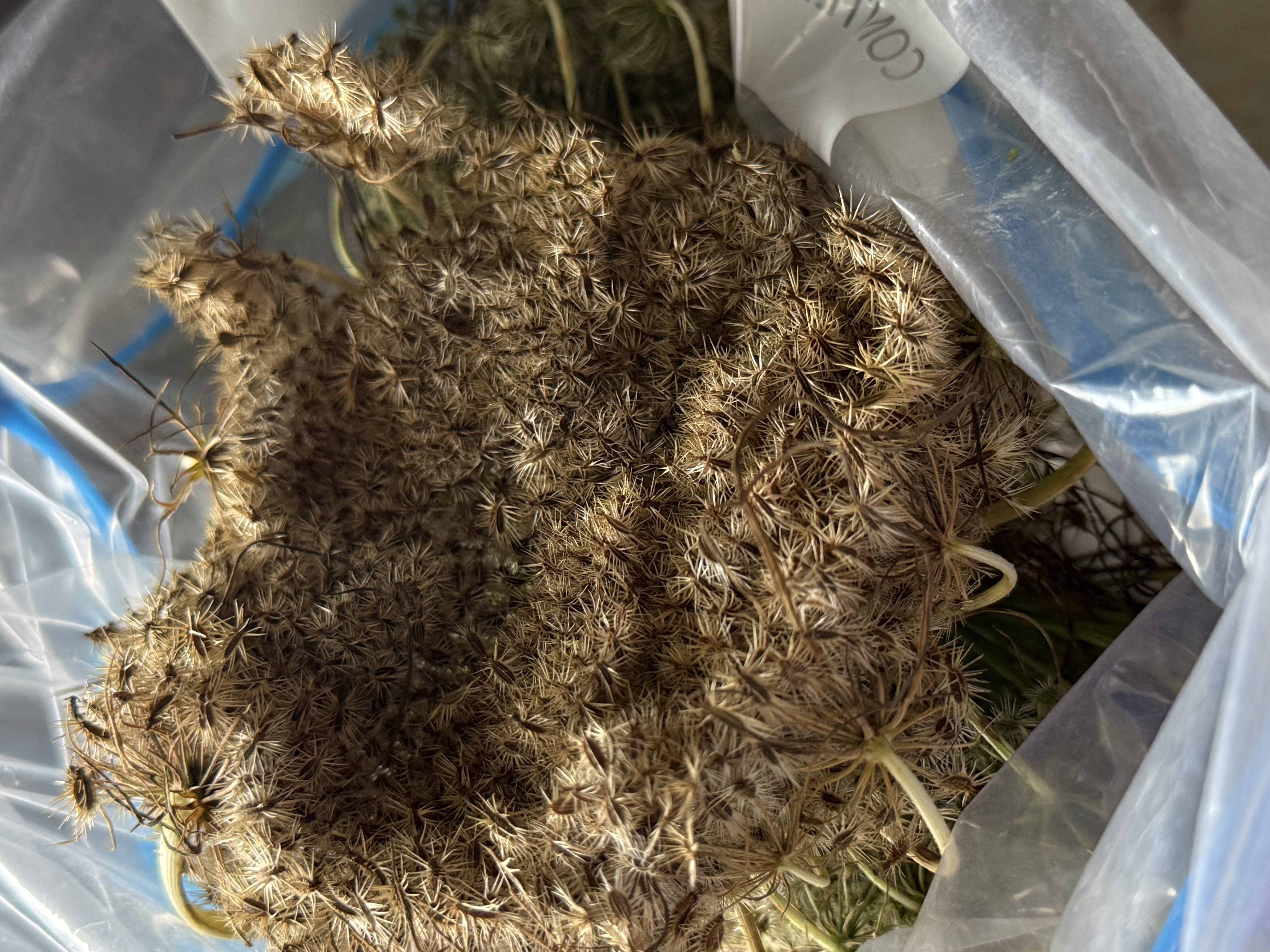
The interesting part came after the harvest, we left a couple of plants to keep growing. Those bolted, flowered, and gave us seed heads that we’ve dried and saved for next year.
Planting
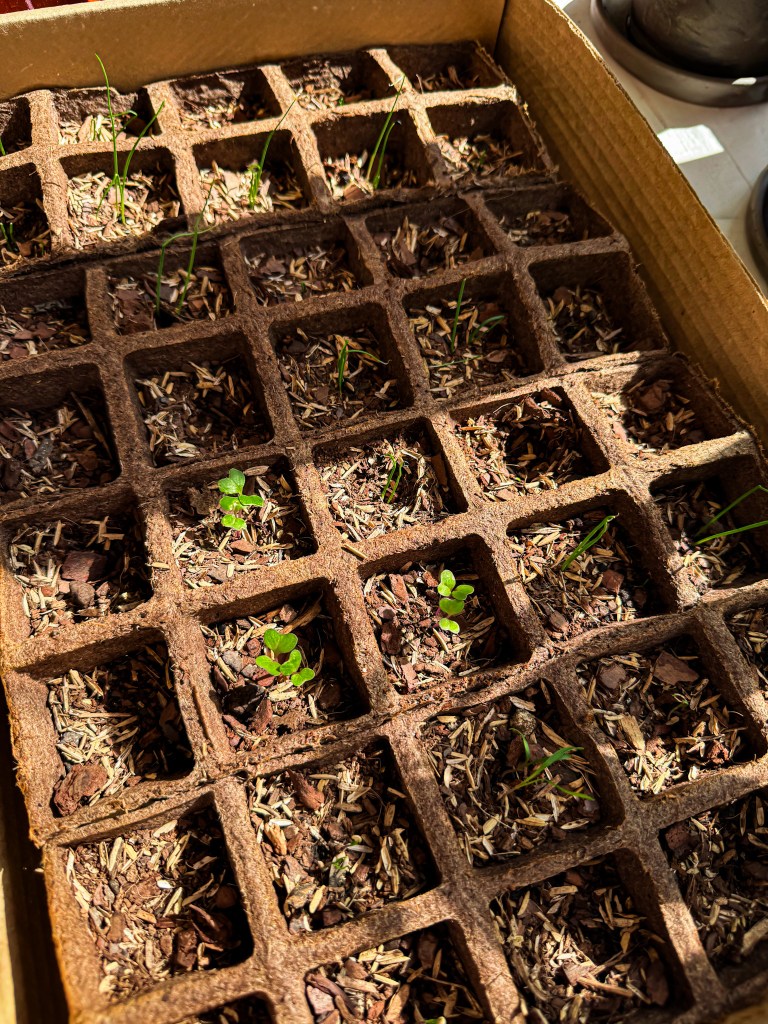
Carrot seed is small and slow to sprout. We sowed shallow, covered lightly, and kept the topsoil damp. It took a good two to three weeks before we saw green. A few radish seeds mixed in marked the row and helped break the crust while we waited.
Growing
Carrots prefer steady conditions. Uneven watering is what causes splitting, so we stuck with a deep soak once or twice a week rather than light waterings every day. A mulch of leaves held the moisture and cut down on weeds.
Harvest
Most of the carrots were ready in about 70 days. We pulled some small and left the rest until the tops showed a full shoulder. The flavor improved after the first frost. Once harvested, we cut the greens right away to keep the roots firm in storage.
Seed Saving
The two plants we left behind grew tall stalks and white flowers in their second year. By late summer those flowers dried into seed heads. We cut them, bagged them, and now have our own carrot seed for next season. One thing to note: carrots will cross with Queen Anne’s Lace, so if that’s growing nearby, the seed may not stay true.
Pest Notes
We didn’t see much pest damage, but carrot rust fly is common. Covering beds early with row cover is the easiest prevention. Dill and cilantro nearby also draw beneficial insects. If pests show up, a diluted spray of organic neem oil works without hurting the soil.
Frequently Asked Questions
One to three weeks. Keep the topsoil damp.
At two inches tall. Leave about two inches between plants.
Between 6.0 and 7.0.
Uneven watering. Keep soil conditions steady.
Usually 60-80 days, or when the roots look full.



 Fiddlehead Homestead
Leave a comment