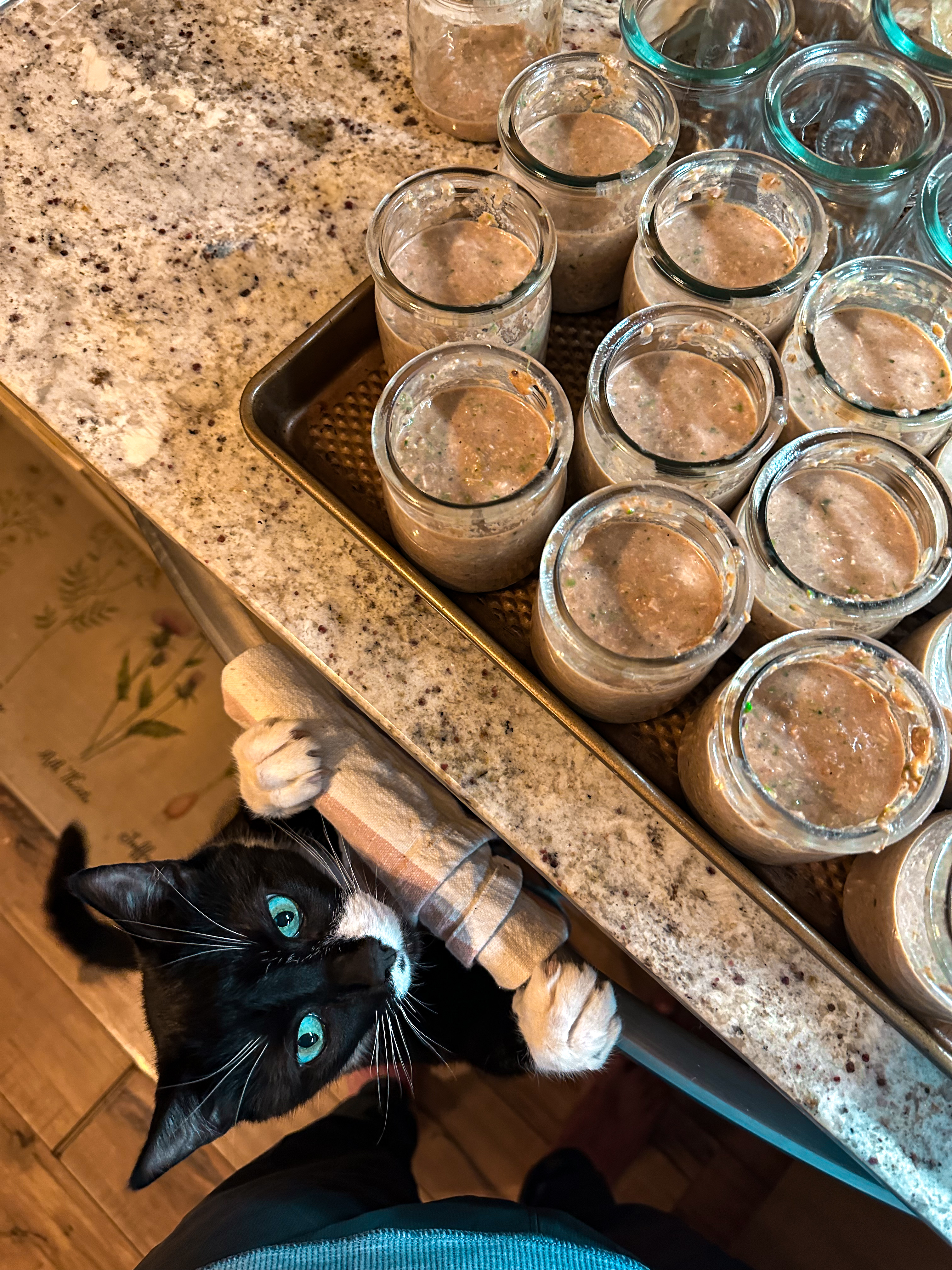
What started as an idea to improve the health of our 11-year-old tuxedo cat has turned into an easy and rewarding project. By making his meals from scratch, we’ve aimed to cut out processed ingredients and provide him with more wholesome, nutrient-rich foods. The best part? He absolutely loves his homemade meals!
If you’re considering making cat food at home, this guide will help you get started while ensuring your furry friend gets the essential nutrients they need.
A Note Before You Begin
Before transitioning your cat to homemade food, consult with your veterinarian to ensure the diet meets your pet’s specific nutritional needs. Cats have unique dietary requirements, and any changes to their diet should be carefully monitored to avoid deficiencies or health issues.
Why We Started Making Homemade Cat Food
Our journey began with the desire to control the ingredients in our cat’s diet. Commercial cat foods often include artificial colors, flavors, and preservatives, which aren’t necessary for your pet’s health. By crafting homemade meals, we’ve been able to focus on high-quality, natural ingredients tailored to our cat’s needs.
Even though our cat doesn’t have specific dietary restrictions, homemade cat food allows flexibility to accommodate unique dietary requirements for other pets. The result is peace of mind knowing exactly what’s in his bowl.
Tips for Making Homemade Cat Food
Creating your own cat food can be simple and rewarding. Here are a few tips:
- Prioritize Meat: Cats are obligate carnivores, so at least 50% of their diet should consist of meat such as chicken, turkey, beef, or rabbit.
- Include Small Portions of Vegetables: While cats don’t need many vegetables, they’re a great source of vitamins and fiber.
- Portion for Convenience: Serve your cat ½ to ¾ cup daily for an average adult cat. Store portions in airtight containers for easy use.
- Add Water: Ensure your cat stays hydrated by mixing water into their meals.
Our Homemade Cat Food Recipe
This recipe is nutrient-packed and simple to prepare:
Ingredients
- 1 to 1½ lbs skinless chicken breast
- ½ lb chicken hearts
- ¼ cup frozen spinach
- ½ cup pumpkin purée
- 1 can sardines (packed in water, no sodium)
- ½ cup frozen peas and carrots
- 2 hard-boiled eggs (including shells)
- 2 cups chicken broth
- extra water for blending
Tools
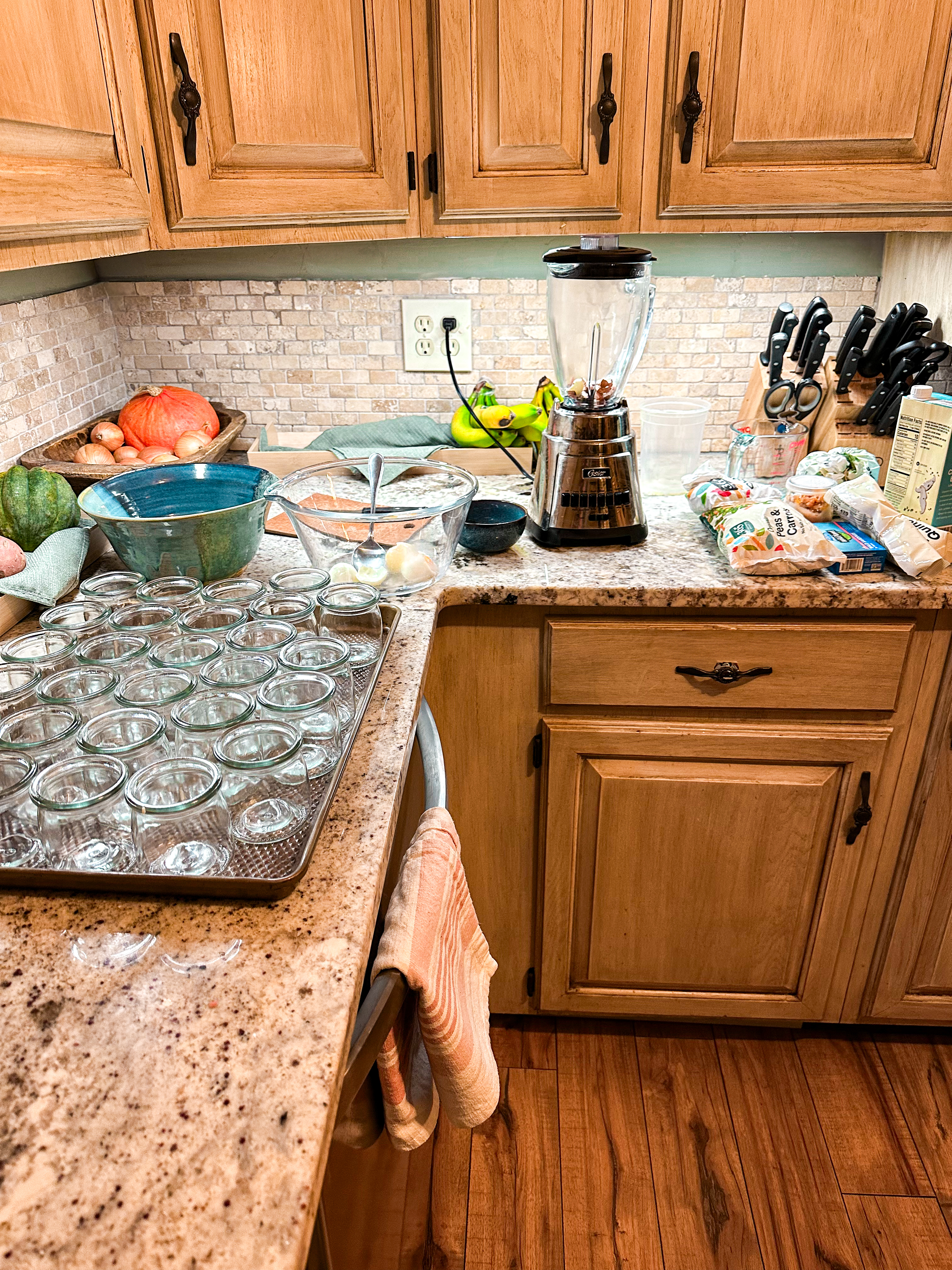
- Blender
- Large pot
Instructions
- Cook the Meat and Eggs
- In a large pot, boil chicken breast and chicken hearts until fully cooked (165°F). Add two eggs to the pot to hard-boil them.
- Prepare the Eggs
- Once boiled, remove the eggs and let them cool. Peel the shells and set aside the eggs. Blend the eggshells into a fine powder for added calcium.
- Combine Ingredients
- Add all ingredients to a blender in small portions, blending until the chicken is stringy and the mixture is evenly textured.
- Mix Thoroughly
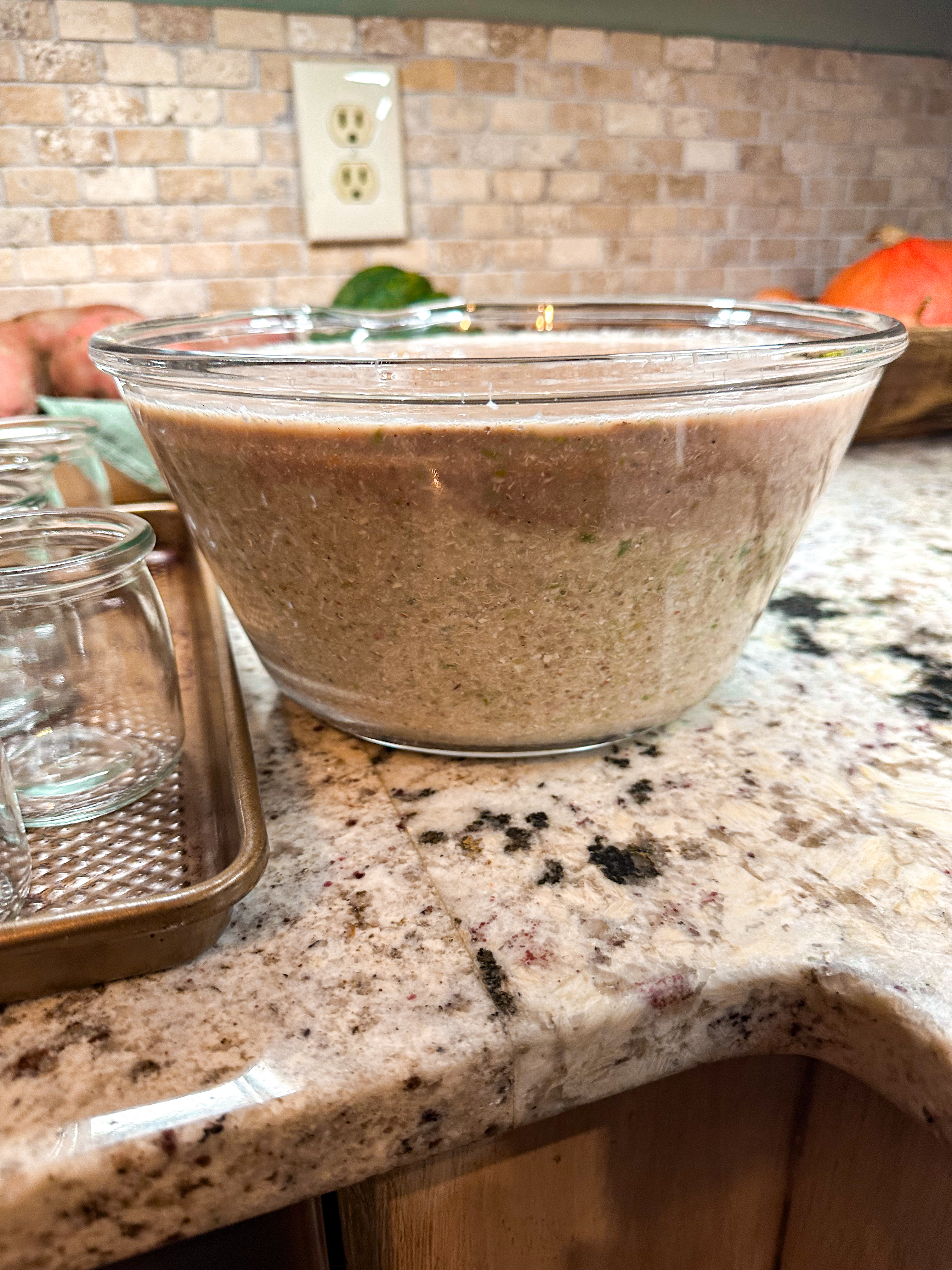
- Once blended, transfer the contents to a large bowl and mix well.
- Portion and Store
- Divide the food into daily servings (approximately 4 ounces) and store them in the freezer. Thaw individual portions as needed.
Nutrients Essential for a Balanced Cat Diet
Homemade cat food isn’t just about using wholesome ingredients – it’s also important to ensure your cat is getting the right balance of essential vitamins and nutrients. Here’s a breakdown of critical vitamins and their benefits:
- Vitamin A: Supports vision, skin health, and bone growth.
- Vitamin D: Promotes calcium absorption for strong bones.
- Vitamin E: Acts as an antioxidant to protect cells.
- Vitamin K: Assists in blood clotting.
- B Vitamins (including thiamin, riboflavin, niacin, biotin, and folic acid): Boost energy production, nervous system function, and red blood cell formation.
- Vitamin B12: Vital for nerve function and red blood cell production.
Vitamins Found in Common Ingredients
Here’s how the ingredients in our recipe contribute to your cat’s nutritional needs:
- Chicken: Vitamin B12, niacin, riboflavin.
- Spinach: Vitamins B6, C, D.
- Pumpkin: Vitamins A, B6, C.
- Sardines: Vitamins B6, B12, D, K.
- Peas: Vitamins B6, C.
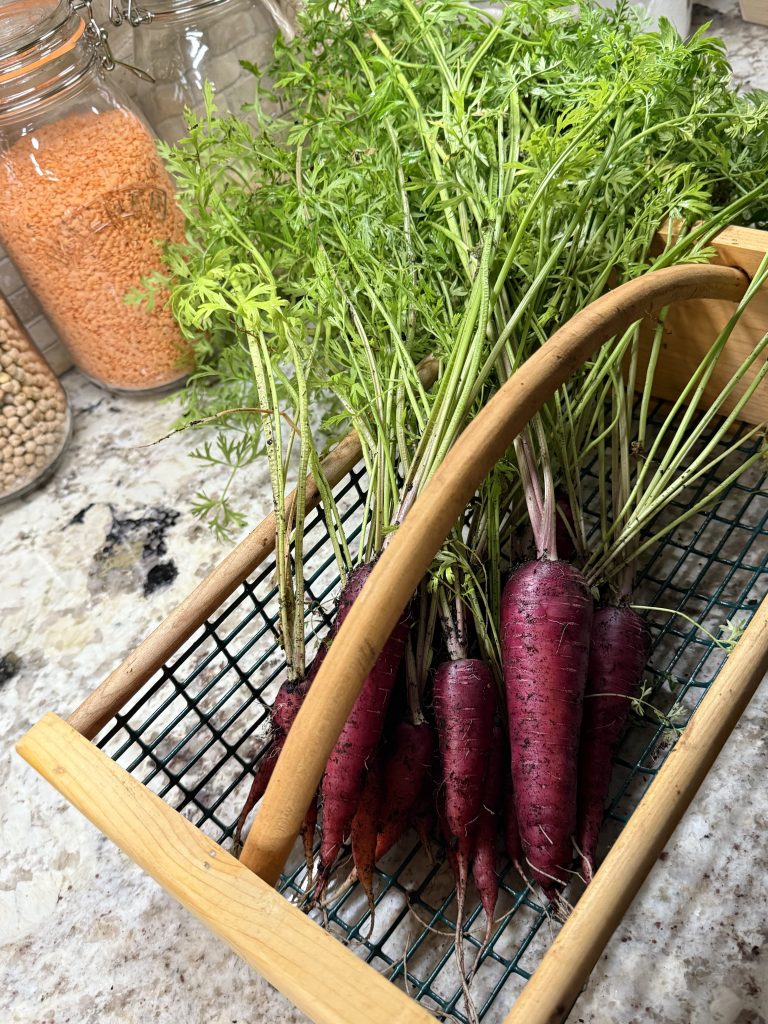
- Carrots: Vitamins A, B6, C, E, K.
- Eggs: Vitamins A, B1, B2, B3, B5, B6, B9, B12, D, E, K.
- Eggshells: Calcium (for strong bones).
- Chicken Broth: Vitamin C and hydration support.

Why Homemade Cat Food?
Making cat food at home has been an enriching experience for us and beneficial for our cat’s health. Not only does it eliminate unnecessary additives, but it also allows us to ensure he’s getting a diet rich in essential nutrients.
If you’re interested in trying this for your cat, take the time to consult with your veterinarian to ensure the recipe meets your pet’s specific dietary needs.
Homemade cat food can be a labor of love – but seeing our cat thrive on meals we’ve made ourselves makes it worth every minute!


 Fiddlehead Homestead
Leave a comment