Cashew milk is one of the simplest, creamiest, and most versatile plant-based milks you can make. With just a few ingredients and a little time, you’ll have a silky-smooth, nutritious milk that outshines anything from a carton.
In this guide, we’ll answer common questions about cashew milk, share a couple of tried-and-true recipes, and sprinkle in tips to help you perfect your process!
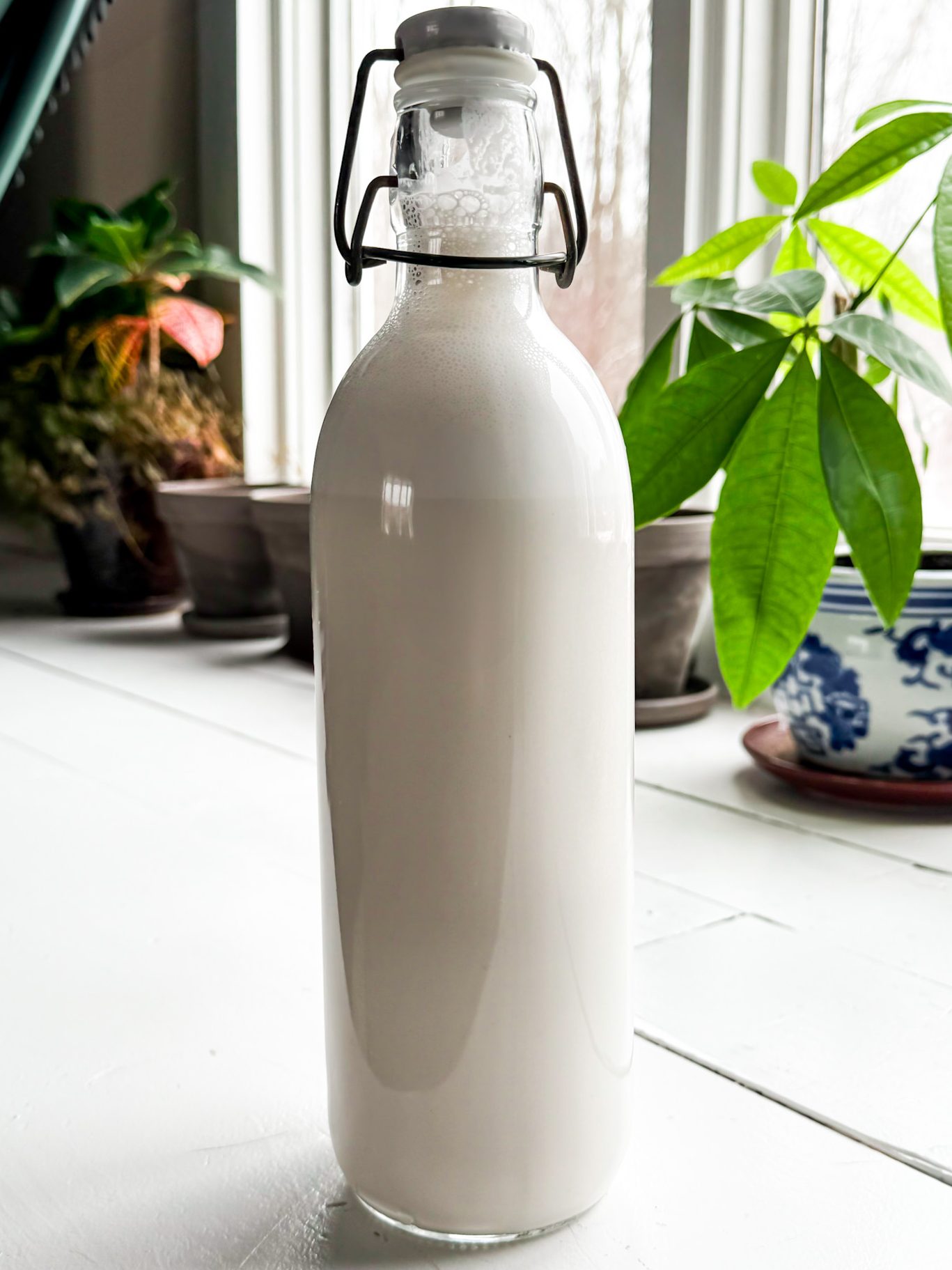
How Is Cashew Milk Made?
Cashew milk is made by blending soaked cashews with water, then straining (or not!) to create a creamy liquid. Unlike almond milk, which often requires straining out gritty pulp, cashews blend so seamlessly that you can skip this step if you like a thicker, richer milk.
Here’s the process in a nutshell: soak, blend, and enjoy. We’ll break it down below with a couple of variations to suit your tastes.
Recipe 1: Classic Creamy Cashew Milk
Ingredients:
- 1 cup raw cashews (unsalted)
- 4 cups water (plus more for soaking)
- 1-2 tablespoons maple syrup (optional, for sweetness)
- 1 teaspoon vanilla extract (optional, for flavor)
- Pinch of sea salt
For high-quality, organic raw cashews, we like to source ours from Azure Standard.
Instructions:
- Soak the Cashews: Place the cashews in a bowl and cover them with water. Let them soak for 4-6 hours (or overnight) to soften. If you’re in a hurry, a 20-minute soak in hot water works too.
- Drain and Rinse: After soaking, drain the cashews and rinse them under cool water.
- Blend: Add the cashews, 4 cups of fresh water, and any optional ingredients to a blender. Blend on high for 1-2 minutes until completely smooth.
- Strain (Optional): If you prefer a thinner milk, strain the mixture through a nut milk bag or fine mesh strainer. Otherwise, skip this step for a creamier texture.
- Store: Pour the milk into a glass jar or bottle and refrigerate. Homemade cashew milk lasts about 3-4 days in the fridge. Shake before each use, as natural separation occurs.
Recipe 2: Thick and Creamy Cashew Cream
For coffee lovers or those who want a rich, creamy texture, try this variation:
- Use 1 cup cashews to just 2 cups water.
- Blend until smooth and skip the straining step entirely.
- Sweeten lightly with maple syrup or keep it unsweetened for savory uses like soups or sauces.
FAQs About Cashew Milk
Is Cashew Milk Good for You?
Absolutely. Cashew milk is loaded with healthy fats, vitamins, and minerals like magnesium and zinc. It’s naturally dairy-free, making it perfect for those with lactose intolerance or who follow plant-based diets. Plus, it’s free of additives and preservatives when you make it at home.
How Long Does Homemade Cashew Milk Last?
Homemade cashew milk typically lasts 3-4 days in the refrigerator. Always store it in a sealed container and give it a sniff before using. If it smells off or has separated excessively, it’s time to make a fresh batch.
Is Cashew Milk Healthier Than Almond Milk?
It depends on what you’re looking for. Cashew milk is creamier and slightly richer in texture than almond milk, making it great for lattes, baking, and cooking. Nutrition-wise, both are similar, but cashew milk often has a slight edge in iron and magnesium content.
Pro Tips for Perfect Cashew Milk
- Use High-Quality Cashews: Opt for raw, unsalted cashews for the best flavor and texture. (Check out our favorite source for organic raw cashews.)
- Don’t Skip Soaking: This step softens the nuts and ensures a smooth blend.
- Experiment with Flavors: Add cinnamon, nutmeg, or even a splash of espresso for a creative twist.
- Make It Fresh: Plan your milk-making around when you’ll need it most to enjoy it at its peak.
Cashew milk is as versatile as it is delicious, and making it at home connects you with the food you consume – a core value here at Fiddlehead Homestead. Whether you’re drizzling it over oatmeal, blending it into your coffee, or using it in baking, this creamy alternative is bound to become a household favorite.
As with any good recipe, the key is simplicity, quality, and a bit of creativity. Try it for yourself and let us know how you use your homemade cashew milk!


 Fiddlehead Homestead
Leave a comment